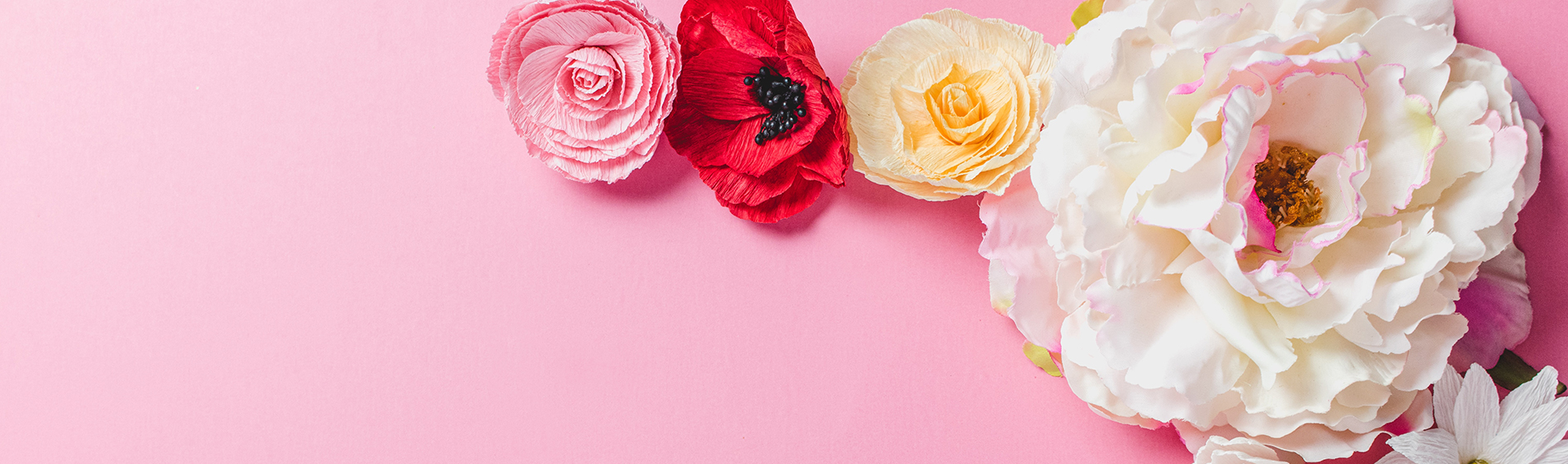
Flowers: a blossoming path to improved mood and enhanced well-being
Posted on 03/07/2025
Flowers: A Blossoming Path to Improved Mood and Enhanced Well-being
Flowers have delighted humankind for millennia, with their vibrant colors, delicate fragrances, and symbolic meanings. Across cultures and generations, these natural wonders have played a crucial role in uplifting spirits and enhancing mental well-being. In this comprehensive article, we explore the positive impact of flowers on mood and overall health, and provide insights backed by science, tradition, and practical experience.

The Science Behind Flowers and Emotional Well-being
Research consistently shows that flowers are much more than a feast for the eyes. Scientific evidence demonstrates their ability to stimulate positive emotions, reduce stress, and contribute to greater life satisfaction. Let's take a closer look at why flowers have this remarkable effect.
1. Flowers and the Psychological Response
- Immediate Mood Enhancement: Studies reveal that receiving or viewing flowers almost instantly elevates one's mood. A much-cited study published in "Evolutionary Psychology" found that people who received flowers experienced genuine smiles and reported increased happiness for days after the event.
- Reduction in Stress and Anxiety: Simply being in the presence of flowers can lower levels of cortisol, the body's stress hormone. This effect is particularly notable in urban environments, where greenery and floral displays bring a sense of calm amid daily chaos.
- Heightened Sense of Well-being: Participants exposed to fresh flowers in their living or working spaces consistently report feeling better, more energetic, and less anxious.
2. Flowers for Enhanced Cognitive Function
Exposure to flowers and nature is also linked to improved cognitive performance. People working in environments with floral arrangements have been found to be more productive, creative, and focused. Students studying in classrooms with houseplants and flower pots show better concentration and memory retention.
3. Aromatherapy: The Power of Floral Fragrances
The fragrance of flowers stimulates the olfactory system and triggers the brain to release dopamine and serotonin--the "happy" neurotransmitters. Scents such as lavender, jasmine, and rose are used widely in aromatherapy to reduce anxiety, promote relaxation, and improve sleep quality. Incorporating these scents into your daily environment can transform your mood and reduce feelings of stress.
Historical and Cultural Perspectives on Flowers and Health
1. The Healing Traditions of Flowers
Throughout history, flowers have held a central place in traditional healing systems such as Ayurveda, Traditional Chinese Medicine, and Native American remedies. These systems use flowers not just for their beauty, but for their restorative and mood-boosting properties. Chamomile, marigold, and hibiscus are just a few examples of flowers used to promote emotional balance and physical health.
2. Flowers in Rituals and Symbolism
Flowers symbolize love, hope, renewal, and remembrance. The act of giving flowers--whether in celebration, sympathy, or gratitude--has profound psychological benefits for both giver and receiver. This age-old tradition reinforces our social bonds and provides emotional comfort through tangible gestures of care.
Popular Blossoms for Boosting Mood and Well-being
Different flowers have distinct effects on mood and well-being. Here are some of the best-loved and scientifically studied varieties:
- Sunflowers: Their bold yellow petals evoke joy, optimism, and vitality. Displaying sunflowers in a room can instantly brighten up your space and mood.
- Roses: Classic symbols of love and affection, roses bring about feelings of warmth and emotional connection. Inhaling their fragrance can drive away nervousness and instill a sense of calm.
- Lavender: Widely used for its soothing aroma, lavender helps to relieve stress, improve sleep quality, and reduce anxiety.
- Jasmine: Known for its intoxicating scent, jasmine is often used in aromatherapy for uplifting spirits and relieving mild depression.
- Gerbera Daisies: With their vibrant colors, these flowers have been shown to stimulate positive energy and creativity.
Practical Ways to Incorporate Flowers for Enhanced Well-being
There are countless ways to bring more flowers--and their associated benefits--into your daily life. Here are practical tips to make flowers part of your blossoming path to improved well-being:
1. Create a Floral Sanctuary at Home
- Place Fresh Bouquets in high-traffic areas such as the living room, kitchen, or bedside table.
- Grow Indoor Flowering Plants such as orchids, African violets, or peace lilies to bring continuous joy and clean air.
- Decorate with Floral Art and Photographs if fresh flowers aren't always available.
2. Use Flower Essences and Aromatherapy
- Diffusers with Essential Oils: Use oils extracted from flowers like lavender or ylang-ylang to infuse your environment with mood-lifting scents.
- Baths and Body Products: Bathing with flower-infused products offers a luxurious and therapeutic experience.
3. Engage in Flower-Based Hobbies
- Floral Arrangement: The creative process of arranging blooms promotes mindfulness and lowers stress.
- Gardening: Digging in the earth and nurturing plants is a proven way to boost endorphin levels and improve your outlook on life.
- Pressed Flower Art: Create lasting memories by pressing flowers and making decorative crafts.
Flowers in the Workplace: Productivity and Positive Environments
The modern workplace can be a source of stress, but incorporating flowers and plants into office design has shown remarkable benefits. Multiple studies have highlighted that:
- Employees working in environments with flowers and plants report higher levels of job satisfaction.
- Offices with floral arrangements exhibit greater creativity and problem-solving abilities among staff.
- Plants and flowers help improve indoor air quality, providing physical health benefits that contribute to overall workplace well-being.
Flowers for Mindfulness and Meditative Practices
Mindfulness is the practice of being fully present in the moment, and flowers are powerful tools for cultivating this state. Gazing at a flower, noticing its intricate patterns and gentle fragrance, can draw attention away from worries and anchor the mind in calmness. Many meditation and yoga classes now incorporate floral displays or encourage practitioners to use fresh flowers as a focal point during sessions.
Eco-friendly and Sustainable Flower Choices
With environmental awareness on the rise, choosing locally grown or organically cultivated flowers enhances well-being while supporting planetary health. Sustainable floral practices--such as buying from ethical growers or growing your own--help maintain biodiversity and reduce your carbon footprint. Thus, the joy of flowers can be both personally and globally enriching.
Case Studies: Real Stories of Blossoming Well-being
1. Hospital Healing Gardens
Hospitals around the world are investing in healing gardens and floral therapy programs for patients. Patients with access to flower gardens during recovery report quicker healing, less pain, and improved mood, compared to those in standard hospital wards.
2. Community Blossoms: Flower-Giving Initiatives
Localized programs that deliver bouquets to senior citizens, patients, or underserved communities have demonstrated remarkable improvements in social connection, happiness, and overall well-being.

Frequently Asked Questions: Flowers and Well-being
How long do the mood-boosting effects of flowers last?
Studies suggest the psychological benefits can linger for days or even weeks, especially when flowers are visible in a living or working space.
Which types of flowers are best for promoting happiness?
Bright-colored, fragrant flowers such as sunflowers, daisies, roses, and lilies are particularly effective for boosting mood, but any flower that brings joy or holds personal significance can have a positive effect.
Can artificial flowers have the same impact as real ones?
While artificial flowers can beautify a space and offer visual joy, research shows that living flowers--with their scents and connection to nature--provide a far greater psychological benefit.
Is gardening with flowers a recognized form of therapy?
Yes, horticultural therapy is a growing field, with therapists using gardening activities--especially with flowers--to aid mental health recovery and improve quality of life.
Conclusion: Let Your Well-being Blossom with Flowers
In summary, flowers are much more than decorative accents--they are powerful allies on the path to improved mood and enhanced well-being. Whether through scientific research, traditional wisdom, or daily practice, the evidence is clear: flowers brighten lives, lift spirits, and nourish the soul. By welcoming blossoms into your home, office, and personal rituals, you cultivate not only beauty but a life that flourishes with positivity, balance, and joy.
Let your well-being bloom!
Latest Posts
Delve into the fascinating meanings of birth month blooms
Harnessing Nature's Beauty: Hydrangea Care Explained
Flowers: a blossoming path to improved mood and enhanced well-being